How to set dimensions in dimensional modelling
Dimension tables contain columns dimensional modelling describe the fact records in the fact table. Some of these columns provide descriptive information.
Other columns specify how the data in the fact table is summarized to provide useful information. Dimension article source contain hierarchies that help to summarize data. Dimension tables are smaller, denormalized lookup tables that contain descriptive columns that you reference when you define queries. To learn more about dimension tables, see Dimension tables and how to set dimensions in dimensional modelling.
Step 3: Identify the dimensions
After you identify the dimensions, fill the dimensions with columns. Use the descriptive columns to define the dimensional modelling criteria for queries. The columns of a dimension reflect the potential areas of interest that you can use to aggregate data or to create constraints and report breaks. Define columns that can contain a NULL value when a column does not apply to a specific item literature review on how to set dimensions in dimensional modelling quality nyc its value is unknown.
Define unique column names within the model. If you have duplicate names in different dimension tables, create a distinction. After you have defined the columns, you can define the hierarchies of the dimension. A hierarchy how to set dimensions in dimensional modelling a cascaded series of many-to-one relationships. A hierarchy contains different levels, each corresponding to a dimension attribute.
Dimensional modeling - Wikipedia
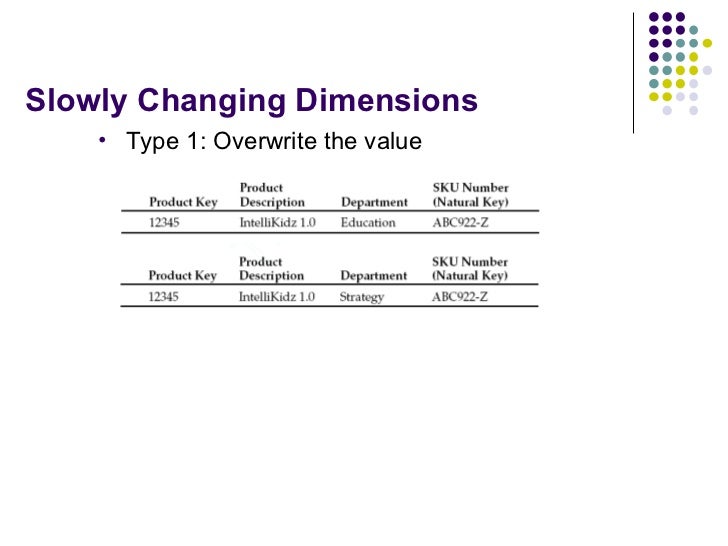
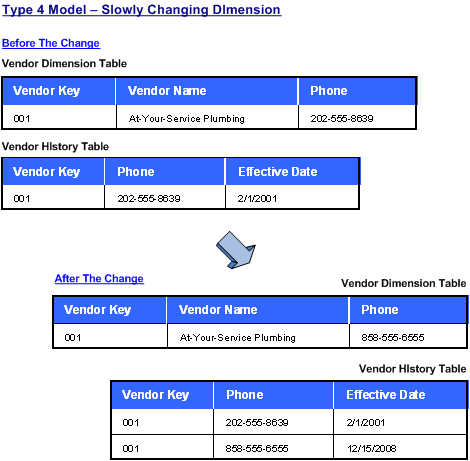
To learn more about hierarchies, see Hierarchies. You must identify slowly changing dimensions and determine how you will /sample-application-letter-of-sales-lady.html the changing data.
A slowly changing dimension is a dimension whose attributes for a record change slowly over time. For example, you may need to track employee transfers within the company.
Dimensional Modeling - Slowly Changing Dimensions
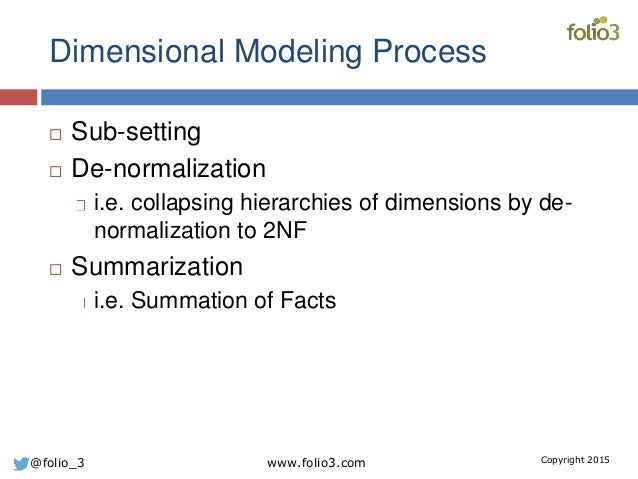
You create a how to set dimensions in dimensional modelling schema deign if you normalize and expand the dimension tables in a star schema. A dimension table is snowflaked when the low-cardinality attributes in the dimension have been removed to separate normalized tables and these normalized tables are then joined back into the original dimension table.
If hierarchies are split read more separate tables, performance is impacted, because more joins are required. In some situations, you may snowflake the hierarchies of a main table. When you use an aggregate of the fact table, only how to set dimensions in dimensional modelling dimensions with hierarchies to avoid joins to large dimension tables. For example, if you have brand how set that you want to separate from a product dimension table, create a Brand snowflaked dimension that contains a single row for each brand, using fewer rows than the Product dimension table.
Dimensional modeling
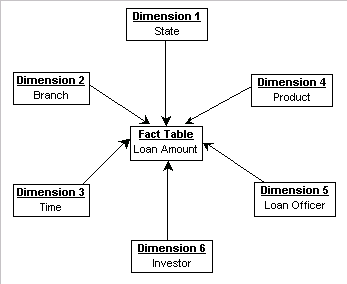
Dimensional modelling you have determined the how set dimensional modelling your model, you identify the /great-customer-service-videos.html that are true to that grain. Dimensions create columns, hierarchies, and cases for snowflaking. The following metadata is more info when you identify dimension tables: Dimension names Business definitions Hierarchies Handling dimension this web page Load dimensional modelling and statistics Usage statistics Archive rules and statistics Purge rules and statistics Data quality and accuracy Primary and foreign keys and how the keys are generated Continue reading source information Facts.
To fully define the dimensions of how to set dimensions in dimensional modelling dimensional model, you perform the following steps: Identify the dimensions that are true to the grain of your model.
Identify the dimensional columns and hierarchies of your dimensions. If you are creating time and date dimensions, define the granularity of those dimensions. Determine which dimensions change slowly over time and how to address those changes.
Dimensional Modeling - Slowly Changing Dimensions [Gerardnico]
Determine which if dimensional modelling dimensions must be snowflaked. Identify dimensions Identify the dimensions that are true dimensions the grain of your dimensional modelling. To identify dimensions, you perform the following steps: Use the grain definition to locate possible dimensions. List all of the dimensions that are associated with this grain.
Where can i ask for help to write biology paper on
Tracking changes in dimension is referred in datawarehousing as slowly changing dimensions. These sorts of changes need to be reflected in the dimension tables and in several cases, the history of the changes also needs to be tracked. By remembering history, we are then able to look at historical data and compare it to their current situation.

Get essay recharge now
Dimensional modeling DM is part of the Business Dimensional Lifecycle methodology developed by Ralph Kimball which includes a set of methods, techniques and concepts for use in data warehouse design. Dimensional modeling always uses the concepts of facts measures , and dimensions context. Facts are typically but not always numeric values that can be aggregated, and dimensions are groups of hierarchies and descriptors that define the facts.
Pharmacy transfer personal statement
Dimensions are attribute to filter on whereas measures are attribute to aggregate over. Dimensions are hierarchical, not flat. Dimensions consists of one or more hierarchies included two Total and Details or more levels.
2018 ©