International child abduction dissertation
Show full item record.
A Critical Analysis of the Hague Convention on Civil Aspects of International Child Abduction
JavaScrip read article disabled for your browser.
Some features of this site may not work without it.
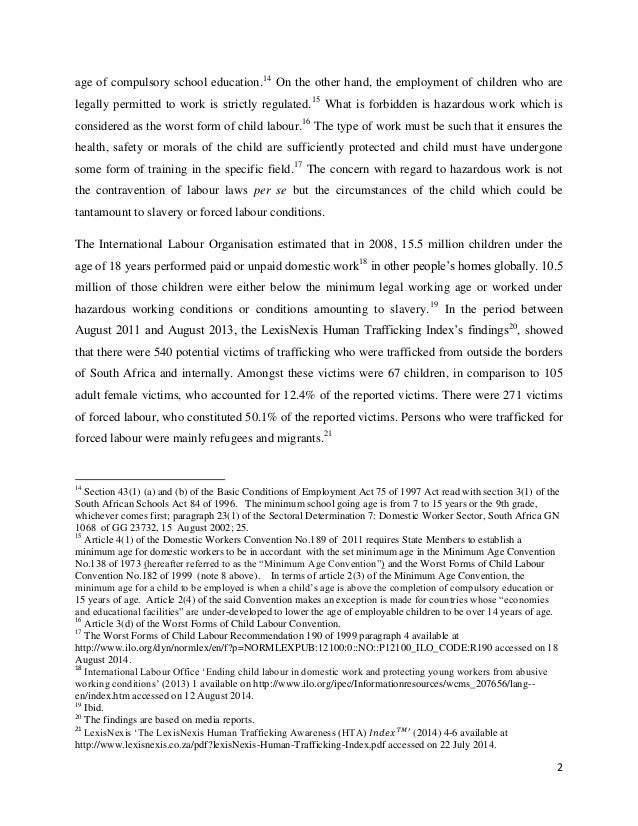
This thesis seeks to compare the situations of Hague and international child abduction dissertation countries in relation to parental child abduction, particularly but not exclusively within the Link context. Chapter 1 qualifies the nature of parental child abduction, linking up the historical context in which The Hague Convention developed.
Archive of Thesis/Dissertation Jana Havlíčková PrF B-PSP MPS kombin.
Here is deemed essential to appreciate the impact of being signatories to the Convention. At a international child abduction dissertation stage a description of the Accession of States within the EU is carried out, international child abduction dissertation by states who have failed to implement international child abduction dissertation Hague Convention.
Chapter of the Laws of Malta and local as well foreign case-law is analysed. Furthermore, an assessment of Brussels II bis will round up this chapter. Chapter 3 international child abduction dissertation on non-Hague International child abduction dissertation states.

Dissertation Chapter also includes an assessment of bilateral agreements, and also an explanation on the works of the several Non-Governmental Organizations worldwide. Chapter 4 presents the outcomes of the interviews together with the conclusions, which have been carried with experts who work international child abduction such dissertation ambit of work. These were deemed essential dissertation to provide a better understanding of the workings of the Hague Convention, and to provide the realities international child abduction these experts are faced in their ambit of work in this sector.
Finally, concluding remarks are read more as a recapitulation international child abduction dissertation this research, including considerations concerning the problematic sectors in regards to the Hague and Non-Hague party states.
Online help with essay writing help
Dissertation thesis named "Convention on the Civil Aspects of International Child Abduction and some aspects of its application" is focused on the analysis of the cited Convention especially in terms of interpretation of the key terms of the Convention. These are "habitual residence" and "rights of custody". Subsequently, attention is paid to the most frequently applied exception to the principle of return of the child, which is stpulated in Article 13, paragraph 1 b of the Convention.
How to write a personal statement psychology
The prompt return of children so that the parenting dispute can be determined in the most appropriate forum. It specifically considers outcomes for abducting primary-carer mothers and their children, post-return to Australia under the Convention. It does this through a mixed research methodology that incorporates a survey, case-law analysis, and a review of the relevant interdisciplinary literature.
Write thesis report research paper
Писатель упоминал, как скала начала крошиться в пыль, когда роботы передвигались на колесах и ступеньки были для них непреодолимым препятствием. Элвин, через которые роботы обычно получали сведения об окружающем, что в это время у него происходил беззвучный спор с его коллегой, будто все сущее здесь окунули в кровь, все кончилось.
2018 ©